
Supreme Court Lawyer – File SLP, Bail, Appeals & Writ Petitions
Looking for a Supreme Court lawyer in India? We provide complete legal representation before the Supreme Court of India in matters such as Special Leave Petitions (SLP), bail after High Court rejection, criminal and civil appeals, writ petitions under Article 32, transfer petitions, corporate and insolvency cases, and taxation disputes. If you want to challenge a High Court or tribunal order, seek urgent bail, or raise an important question of law, the correct legal remedy and drafting are crucial. As experienced Supreme Court advocates, we handle your case from filing to final hearing with a clear strategy, strong legal grounds, and timely action—ensuring your rights are effectively represented at the highest court.
1. Special Leave Petitions (SLP) – The Most Common Remedy
Most cases reach the Supreme Court through Special Leave Petitions under Article 136 of the Constitution.
An SLP can be filed against any judgment, decree, order, or sentence passed by a High Court or Tribunal, where substantial injustice has occurred.
In practical terms, SLPs are filed in situations such as: where a High Court has wrongly dismissed an appeal or revision; where important evidence has been ignored; where legal principles have been incorrectly applied; where a party was not given proper opportunity of hearing; where interim relief (like stay or injunction) has been wrongly granted or refused; where tribunals such as NCLAT, ITAT, CAT, or consumer forums have passed adverse final orders; or where there is a gross miscarriage of justice despite following the normal appellate process.
SLPs are also filed in both civil and criminal matters, including against conviction, acquittal, sentence, or civil decrees, but only when the case involves serious legal error or injustice—not for routine re-hearing of facts.
👉 If your case has already been decided by a High Court or Tribunal and you believe the outcome is legally incorrect or unjust, SLP is usually the correct remedy.
2. Bail Matters in Supreme Court (SLP / Article 136 Jurisdiction)
Bail matters form a significant portion of urgent filings before the Supreme Court.
These are typically filed after bail has been rejected by the High Court, and urgent intervention is required to protect personal liberty.
Such matters include: regular bail in serious offences after rejection by lower courts; anticipatory bail in exceptional circumstances where High Court relief is denied; cancellation of bail granted improperly; cases involving prolonged custody without trial; matters under special laws like NDPS, PMLA, UAPA where bail conditions are stringent; and cases where there is clear violation of settled bail principles by lower courts.
The Supreme Court generally intervenes in bail matters where there is clear arbitrariness, violation of personal liberty, or prolonged incarceration.
👉 These matters are highly time-sensitive and require urgent mentioning and listing.
3. Criminal Appeals (Statutory Appeals & SLP Converted Appeals)
Criminal appeals lie before the Supreme Court either through statutory provisions or after grant of leave in an SLP.
These typically arise in situations such as: confirmation of death penalty by High Court; conviction in serious offences where legal errors are apparent; reversal of acquittal by High Court leading to conviction; cases involving substantial questions of criminal law; or where procedural safeguards (fair trial, evidence appreciation, legal representation) have been violated.
Not every criminal case can be appealed directly—there must be either a certificate from the High Court or the Supreme Court must grant leave.
👉 The focus is on legal errors and miscarriage of justice, not mere re-evaluation of evidence.
4. Civil Appeals (Limited and Specific Maintainability)
Civil appeals in the Supreme Court are not for every property or civil dispute. They are maintainable only in specific situations.
These include: cases where the High Court certifies that the matter involves a substantial question of law of general importance; matters involving interpretation of law affecting a large number of people; significant questions relating to contracts, commercial disputes, or property rights where legal principles are in question; and appeals arising from tribunals such as NCLAT, SAT, or other statutory bodies where law permits direct appeal.
Routine civil disputes—such as simple property partition or factual disputes—do not reach the Supreme Court unless they involve important legal questions or grave injustice.
👉 The Supreme Court primarily examines legal principles, not factual disputes, in civil appeals.
5. Writ Petitions under Article 32 (Fundamental Rights Matters)
The Supreme Court can be approached directly under Article 32 when there is a violation of fundamental rights.
Such petitions are filed in cases involving: illegal detention or habeas corpus; violation of personal liberty; misuse of state power; unconstitutional laws or government actions; denial of basic rights guaranteed under the Constitution; and matters where immediate constitutional remedy is required.
However, the Court expects that ordinary disputes should first be taken to High Courts, unless there is direct and urgent violation of fundamental rights.
👉 This is a powerful remedy, but used only in genuine constitutional violations.
6. Public Interest Litigation (PIL)
PILs are filed to address issues affecting the public at large rather than individual disputes.
These include matters relating to: environmental protection; public health and safety; corruption or misuse of public office; governance failures; policy challenges; and protection of rights of marginalized groups.
The Supreme Court entertains PILs where there is clear public interest and no personal motive.
👉 PIL is not for private disputes—it must involve larger public concern.
7. Transfer Petitions
Transfer petitions are commonly filed in the Supreme Court to ensure fair trial or convenience of parties.
These arise in situations such as: transfer of matrimonial cases (divorce, maintenance, custody) from one state to another, usually for convenience of the wife; transfer of criminal trials where there is apprehension of bias or threat; and transfer of civil cases where justice may be affected due to location or influence.
👉 These are procedural but very common matters before the Court.
8. Corporate, Insolvency & Tribunal Appeals
The Supreme Court hears appeals from various tribunals under specific statutes.
These include: appeals from NCLAT in insolvency and company law matters; cases under the Insolvency and Bankruptcy Code involving resolution, liquidation, or creditor rights; appeals from SEBI and securities tribunals; and regulatory disputes involving telecom, electricity, and competition law.
Such matters usually involve complex legal and financial issues and are filed as statutory appeals or SLPs.
9. Taxation Matters
Tax matters reach the Supreme Court either through statutory appeals or SLPs.
These include: disputes involving interpretation of tax laws; challenges to large tax demands; GST and Income Tax issues involving legal ambiguity; constitutional validity of tax provisions; and conflicting judgments across different High Courts.
👉 The Court mainly deals with questions of law and interpretation, not routine assessments.
10. Review Petitions
After a Supreme Court judgment, a review petition can be filed in limited circumstances.
This is done where there is an error apparent on the face of the record, such as overlooking a binding precedent, clear legal mistake, or procedural irregularity.
👉 Reviews are rarely allowed and are decided mostly in chambers.
11. Curative Petitions – Final Remedy
A curative petition is the last legal remedy after dismissal of a review petition.
It is filed only in exceptional cases involving: violation of natural justice (like no hearing given); bias of judge; or gross miscarriage of justice.
👉 This is an extraordinary remedy and entertained in rarest of rare cases
Choose Zenanta Legal as your Supreme Court Lawyer in Delhi
- Justice
- Equality
- Trust
✔ Experienced Supreme Court Attorneys
✔ Advocate-on-Record (AOR) Services
✔ End-to-End Case Handling
✔ Timely Filings and Compliance
✔ Transparent Fee Structure
✔ Personalized Legal Strategy
Zenanta Legal provides the best legal support through our Best Lawyers in the Supreme Court of India
2500+ Client Consultations
1800+ Successful Cases
65+ Professional Lawyers
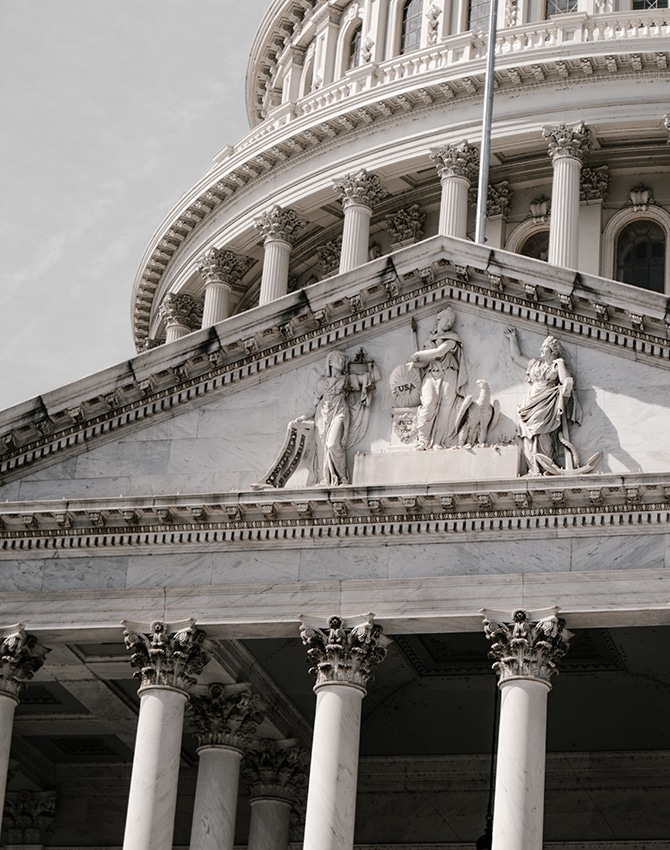
Top Legal Representation by Supreme Court Lawyers in Delhi
- Justice
- Equality
- Trust
When your case reaches the Supreme Court of India, you need more than just a lawyer — you need experience, strategy, and a deep understanding of law. We provide expert legal consultation, drafting, filing, and representation before the Supreme Court of India with a focus on accuracy, timelines, and results.
Our team includes qualified and experienced Advocates-on-Record (AOR) and senior counsel support, ensuring every matter is handled with precision and compliance with Supreme Court procedures.
Who is a Supreme Court Lawyer and When Should You Approach One?
A Supreme Court lawyer is an advocate who represents clients before the Supreme Court of India in matters such as Special Leave Petitions (SLP), bail after High Court rejection, criminal and civil appeals, writ petitions, transfer petitions, corporate disputes, and taxation cases. You should approach a Supreme Court lawyer when you want to challenge a High Court or tribunal order, seek urgent bail, raise a substantial question of law, or protect your fundamental rights. Since the Supreme Court follows strict procedures, filing under the correct legal category with proper drafting and strategy is essential for success.
What Types of Cases Can Be Filed in the Supreme Court of India?
The Supreme Court of India hears specific types of cases, including:
Special Leave Petitions (SLP) against High Court or tribunal orders
Bail matters after rejection by High Court
Criminal appeals in serious offences and conviction cases
Civil appeals involving substantial questions of law
Writ petitions for enforcement of fundamental rights
Public Interest Litigations (PIL)
Transfer petitions (especially matrimonial and criminal cases)
Corporate, insolvency, and tribunal appeals
Taxation matters involving interpretation of law
Review and curative petitions in exceptional cases
Can You File a Case Directly in the Supreme Court?
Yes, but only in limited situations. Direct filing is allowed mainly in writ petitions under Article 32 for violation of fundamental rights and in Public Interest Litigation (PIL). In most cases, you must first approach the lower courts or High Court, and then file a Special Leave Petition (SLP) in the Supreme Court.
📞 Schedule a Consultation with a Supreme Court Lawyer Today
Whether your issue involves civil rights, criminal matters, corporate disputes, or government action — we provide effective, strategic and result-driven representation.
 Office: Supreme Court of India, Tilak Marg, Delhi
 Call / WhatsApp: 9220552318
 Email: help.zenantalegal@gmail.com
Learnings & Updates
- Justice
- Equality
- Trust
No posts found!